
Therapeutic support for children after an ADHD or autism diagnosis
Post-diagnostic support helps children, teenagers and families make sense of an ADHD or autism diagnosis and build practical tools for everyday life. At Xyla, we offer personalised online sessions led by a qualified clinician, focused on understanding routines, emotional regulation, communication, friendships and strengths.

Carolyn Malkin is a CBT Clinical Supervisor at Xyla, who has spent her career working with children, young people and families across the NHS Child and Adolescent Mental Health Services (CAMHS), learning disability services, schools, community mental health and specialist therapies.
In this article, she shares why early support matters and how families can be empowered to help their children thrive.
Understanding the areas where children need support most
Every child has a unique profile of strengths and support needs, but there are patterns that appear often. Many children who present with neurodivergent traits struggle long before their diagnosis, yet they cannot always explain what feels difficult. Some mask so well that parents and teachers assume they are fine, even when they are exhausted from trying to hold it all together. Others seem quiet or compliant, so their worries go unnoticed.
Social situations can feel confusing or overwhelming. Some children do not realise when they are being left out or accept unkind behaviour because they believe it is the only way to fit in. Others want friendships but convince themselves nobody will share their interests.
At home, children often keep their emotions to themselves because they do not want to cause worry or simply lack the language to express what they feel. These are the moments where post-diagnostic support can make a real difference, helping families understand what is happening underneath the surface. One clear example of this is how a child experiences belonging.
Belonging looks different for every child
Belonging is not always the big moments. For many children it is being invited to join a game at lunchtime or feeling like an important part of the family. Neurodivergent children can find these small moments harder to access. Some sit alone at breaks without understanding why. Others want friendships but cannot decode the social rules. Many mask their true selves to fit in and become exhausted by it.
Belonging is not about pretending. It is about feeling recognised. Post-diagnostic support helps children move from isolation into connection.
Seeing behaviour through a different lens
A diagnosis often helps parents and schools understand behaviour differently. A child might be restless or loud because they are overwhelmed. Another might laugh along with peers but feel completely disconnected. Some will accept unkind behaviour from others because they believe it is the only way to be included.
When adults start to look beneath the behaviour they see the child more clearly. Curiosity replaces blame. Punishment gives way to understanding. This shift alone can transform a child’s confidence.
Meeting children where they are
Every young person engages differently. Some feel safer using a phone or computer screen, but with the camera off. Others speak more freely while drawing or fidgeting. Some would never want to walk into a clinic but will happily talk from the comfort of their home environment. Digital therapy gives children flexibility and independence, and it often reduces anxiety around attending sessions.
Safety comes from trust, not location. When a child knows they will not be judged or told off, they begin to speak honestly. That is when change happens.
The vital role of parents
Supporting children well means working closely with parents. Therapy is not done to the child. It is something we do with them and the family around them.
Parents can help by modelling social skills and offering gentle guidance. Sometimes something as simple as showing how to greet a shopkeeper or how to take turns in conversation is more effective than any formal exercise. When parents are open about their own neurodivergence it can also deepen trust. A child who once felt misunderstood suddenly feels seen.
Family dynamics shape how children see themselves. Post-diagnostic support helps families communicate more openly and build stronger, healthier relationships.
Why early support matters
Children learn quickly. When they receive the right support soon after a diagnosis, we can prevent small challenges from becoming entrenched difficulties. We can help them grow strong self-awareness and emotional resilience long before poor self-esteem has the chance to take hold.
No child should feel they are navigating this alone. Post-diagnostic support fills the gap between receiving a diagnosis and knowing how to live confidently with it.
Helping children make sense of their world
The challenges neurodivergent children face are not always about their diagnosis. They are often about the world around them. Online spaces can feel overwhelming. Social expectations can be confusing. Family pressures can shape emotions in ways children do not always understand.
My role is to help them explore these influences without fear or shame. Not by telling them what to think but by asking questions that open their perspective. When they understand their feelings, they gain control. When they gain control, their confidence grows.
Helping children thrive, not just cope
A diagnosis is not the end of the story. It is the start of understanding. Post-diagnostic support can help children feel more confident, capable and connected as they learn to make sense of their needs.
If you are exploring whether this kind of support might help your family, we offer an introductory specialist session at a reduced rate. This gives you space to ask questions, understand what support could look like and decide whether it feels right for you and your child. For younger children, parents are actively involved so you can learn together and feel confident supporting them at home.
Learn more about post-diagnostic support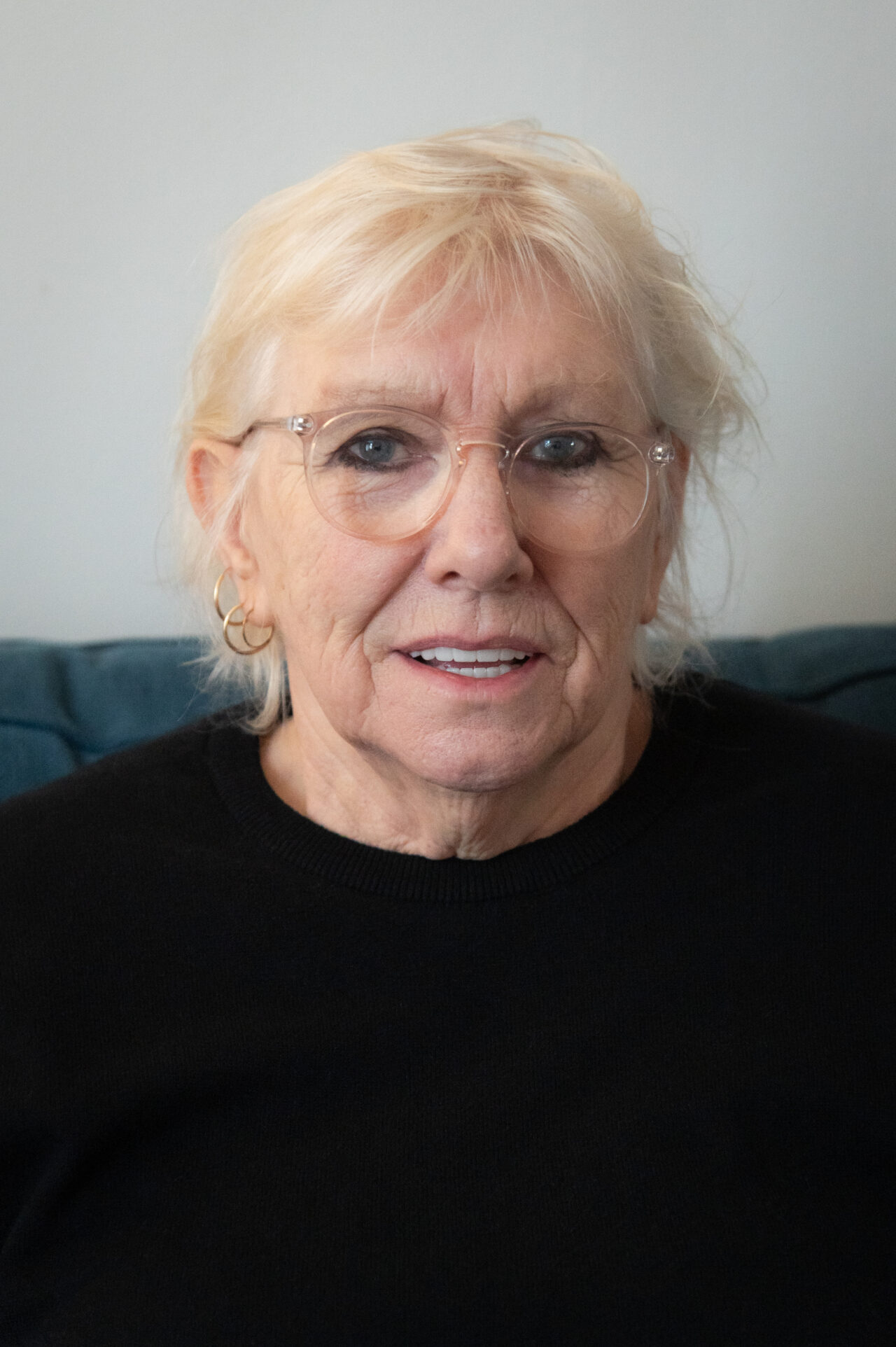
Related stories


Share this article
Contact us
Have any questions about our services? Whether you’re wondering about how we can help, we’d love to hear from you.
Get in touch